-
Summary
- 2026-05-07 03:28
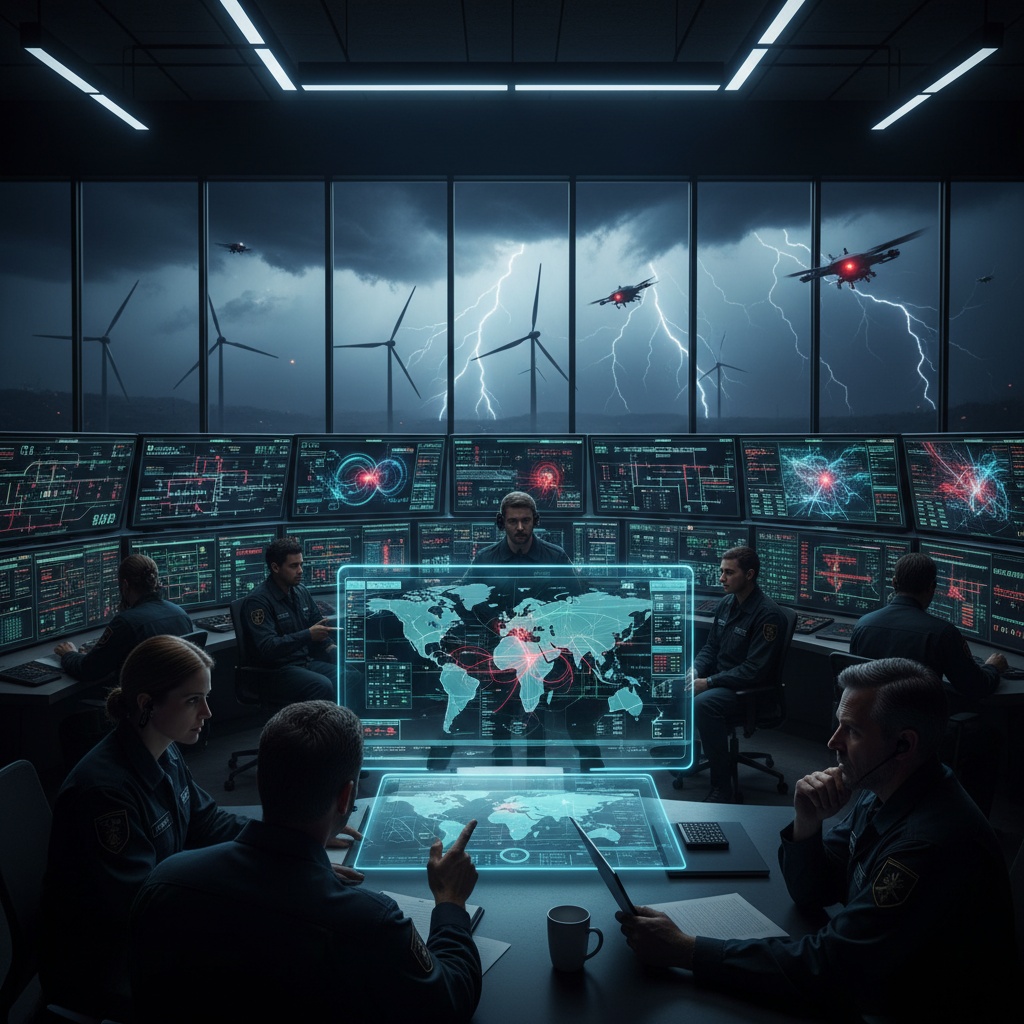
The data converges around the multifaceted efforts to secure the U.S. energy infrastructure against a range of threats—including cyberattacks, physical assaults, natural disasters, nuclear emergencies, and emerging drone risks. The Department of Energy’s Office of Cybersecurity, Energy Security, and Emergency Response (CESER) takes a leading role in orchestrating preparedness, resilience, and rapid response by collaborating extensively with industry, government, and regional partners. CESER’s proactive strategies, encompassing cyber risk mitigation, physical security, and emergency management activities, highlight the complexity and evolving nature of threats facing critical energy systems today. CESER’s mission is underscored by initiatives such as the National Cybersecurity Strategy and hands-on training programs like CyberStrike™ and the Rural and Municipal Utility Cybersecurity Program, all designed to enhance the security posture of energy infrastructure.
Emergency readiness extends deeply into the nuclear energy sector, where the regulatory framework mandates rapid coordination between plant personnel, the Nuclear Regulatory Commission (NRC), and local and state governments to protect public safety in potential radiological emergencies. Plans are detailed and tiered by facility type, ensuring on-site and off-site preparedness measures correspond to the potential scope of an incident. Public communication protocols, including annual outreach by plant licensees to residents within a 10-mile Emergency Planning Zone, reflect the vital emphasis on community awareness and response. The nuclear industry also confronts emerging threats from uncrewed aerial systems (drones), with regulations requiring reporting of drone sightings and efforts to deploy advanced counter-drone technologies to safeguard facilities against increasingly sophisticated UAV threats.
Electric power grid resilience is another critical domain addressed in the data, with the Edison Electric Institute (EEI) outlining comprehensive restoration processes following severe weather or other disruptive events. The mutual assistance network represents a key resource that enables rapid mobilization of skilled workers and equipment across states to minimize outage durations and accelerate recovery. The layered restoration process—from securing downed lines to prioritizing emergency service infrastructure—illustrates the sector’s operational rigor. Furthermore, recognizing the growing complexity of droughts, wildfires, hurricanes, and cyber-related disruptions, electric utilities continually update business continuity plans and conduct integrated drills to maintain high system reliability under stress.
Integrating these sub-cluster insights reveals a cohesive national strategy that balances prevention, preparedness, and rapid response to both traditional and emerging hazards in the energy sector. CESER’s collaborative model spans research, tactical exercises, and operational coordination that extend from federal agencies to private sector stakeholders. This interplay ensures resilience does not rest on any single effort but leverages shared knowledge, technology advancement, and community engagement. The growing drone threat, particularly over sensitive nuclear sites, introduces a novel airborne dimension to security considerations, calling for continued innovation in detection and countermeasure deployment alongside established ground-based defenses. This comprehensive, data-driven approach highlights an adaptive energy security landscape prepared to evolve alongside technological and geopolitical challenges.
The Office of Cybersecurity, Energy Security, and Emergency Response (CESER) within the Department of Energy leads the national effort to defend and fortify the U.S. energy infrastructure against cyber and physical threats, as well as natural hazards. CESER works in close cooperation with industry partners, DOE laboratories, universities, and government agencies, with an emphasis on preparedness, response, and resilience activities. Its portfolio includes threat-informed research and development, deployment of innovative tools, strategic partnerships for information sharing, and policy leadership aligned with the National Cybersecurity Strategy and other key frameworks.
CESER’s focus covers cyber threats posed by nation-states and criminal actors, physical risks from accidents and attacks, and natural hazards such as wildfires, hurricanes, and geomagnetic disturbances. The office also operates rapid emergency response protocols to restore energy flow during crises. Programs like Clear Path, CyberStrike™, the Operational Technology Defenders Fellowship, and RMUC exemplify the agency’s multi-dimensional tactics combining training, exercises, and operational collaboration. As the Sector Risk Management Agency for energy, CESER plays a pivotal role in sustaining energy availability critical to national defense, health care, and economy.
Nuclear power plants follow stringent federal mandates to ensure timely and effective protective actions in the event of a radiological emergency. Plant personnel must notify state and local agencies within 15 minutes following a General Emergency declaration and provide emergency plans that guarantee reasonable community protection. Offsite emergency planning zones, especially the 10-mile radius surrounding nuclear plants, are subject to annual communication efforts to inform and prepare the public for sheltering or evacuation if necessary.
Emergency planning leverages multiple channels including mailed notifications, websites, and designated media stations to guide potentially impacted residents. Public cooperation—such as tuning in to official communications, conserving phone line availability for responders, and adhering to shelter-in-place or evacuation orders—is crucial. Special provisions are made for individuals with impairments to warning signals, reflecting inclusive crisis communication practices to safeguard diverse populations. The layered preparedness framework integrates onsite and offsite response plans ensuring community safety even in worst-case nuclear scenarios.
The electric power industry, represented by the Edison Electric Institute (EEI), emphasizes resilience and rapid restoration as critical pillars in maintaining a reliable power supply amid disasters such as hurricanes, wildfires, and earthquakes. Utilities have developed comprehensive restoration plans that prioritize safety by first de-energizing downed lines before sequentially addressing power plants, transmission lines, and critical infrastructure. These protocols require substantial logistical coordination, skilled labor, and specialized equipment to execute effectively.
To accelerate recovery efforts, the industry relies on a voluntary mutual assistance network—a nationwide coalition of electric companies that provide workforce and resources to impacted areas. Historical examples like Superstorm Sandy illustrate how this cooperative mechanism can mobilize assistance across 24 states and support millions of customers in restoring power. Continuous improvement efforts focus on enhancing public safety, response speed, and reducing economic disruption through regular exercises and sharing of best practices.
The rising prevalence and technological advancement of uncrewed aerial vehicles (UAVs), or drones, present a growing security challenge for nuclear power plants. Since 2024, the Nuclear Regulatory Commission (NRC) requires mandatory reporting of drone sightings over nuclear facilities, with information shared among the NRC, FAA, FBI, and local law enforcement. Although nuclear plants have robust physical security systems—including armed forces and intrusion detection—they lack authority to directly engage drones, underscoring the need for enhanced counter-UAV (CUAV) strategies.
The drone threat evolves rapidly in terms of endurance, payload, autonomy, and swarm capabilities. This necessitates the development of advanced technological and policy responses to protect nuclear sites from airborne threats that complement traditional ground security. International collaboration and expert technical meetings, led by organizations like the International Atomic Energy Agency (IAEA), are underway to assess platform capabilities and advise on effective deployment of CUAV measures. This emerging dimension highlights the dynamic nature of nuclear security in the modern threat environment.