-
Summary
- 2026-05-14 06:27
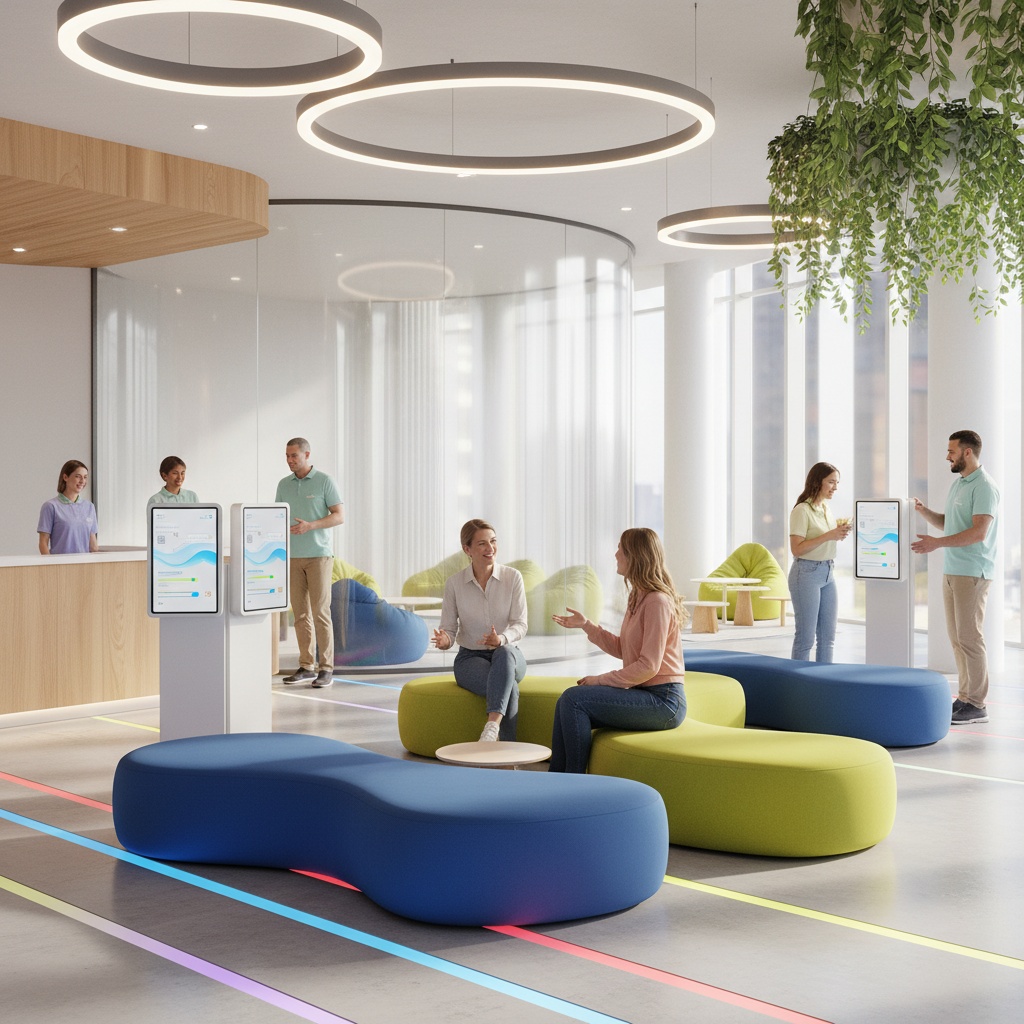
The integration of customer feedback, service utilization assessment, and commercial space design emerges as a triad of strategic priorities vital to modern business success. Across multiple domains, organizations are recognizing that systematically capturing and analyzing customer insights informs continuous improvement, while understanding service utilization ensures resources meet actual demand. Meanwhile, the design and layout of physical commercial environments profoundly influence customer behavior and satisfaction, thereby directly affecting profitability and brand loyalty.
A robust customer feedback strategy hinges on establishing a continuous feedback loop, enabling businesses to react nimbly to user needs and preferences. As detailed in subClusterId 1757682344, effective strategies start with defining precise feedback goals, selecting ideal customer profiles, and consolidating diverse feedback channels—ranging from social media to website widgets—into a centralized analytics framework. This approach allows for prioritizing feedback by customer impact and value-driving potential, ensuring actionable insights rather than anecdotal noise. For example, Contentsquare’s tools facilitate real-time feedback collection and integration with platforms like Slack to keep teams aligned and responsive.
Assessing service utilization (subClusterId -121805449) complements feedback analysis by quantifying actual service engagement within communities or organizations. This empirical approach guides decision-making on which services to maintain, modify, or discontinue, based on usage data and emerging needs. The process involves surveying both service users and providers, compiling inventories, and synthesizing results into reports shared with stakeholders to foster transparency and collaboration.
On the physical front (subClusterId -690944004), the design and layout of commercial spaces harness psychological principles to shape visitor movement, emotions, and purchasing decisions. Strategic layout planning, incorporating clear pathways and zoning with visual anchors, encourages natural exploration and sustained engagement. Furthermore, color psychology is leveraged to influence mood and energy, which can subtly direct customer behavior towards desired outcomes. Facility design principles emphasize integrating people’s needs, materials flow, and machinery placement to optimize operational efficiency and customer experience while minimizing disruptions and bottlenecks.
Taken together, these sub-clusters present a holistic view of enhancing business impact by combining data-driven customer insights, informed service management, and experience-centric environment design. Businesses that successfully implement these interconnected strategies can expect improved customer satisfaction, operational efficiency, and competitive differentiation.
This sub-cluster underscores the imperative of a structured customer feedback strategy as foundational to business growth and customer success. Effective strategies employ continuous feedback loops where businesses repeatedly collect, analyze, and act on customer opinions to refine products and services. Key steps include defining clear feedback goals, selecting appropriate research methodologies, and leveraging technology platforms such as Contentsquare to gather real-time, multifaceted customer input.
Further guidance is provided on feedback analysis, emphasizing the necessity to centralize data from varied sources (social media, interviews, surveys) into a unified repository for in-depth analysis. Notably, prioritization mechanisms are advised, underscoring the importance of weighting feedback by customer lifetime value or purchase patterns to direct resources efficiently. The goal is to extract valuable, actionable insights that can inform product development, customer service improvement, and strategic marketing decisions.
This sub-cluster focuses on the methodology and significance of determining service utilization within communities or organizations. It highlights the advantages of service utilization analysis for decision-making—helping identify which services to continue, adjust, or phase out based on actual usage patterns and community needs.
The outlined process stresses steps from deciding the scope of services to be examined, compiling an inventory, collecting quantitative usage data, performing analysis, and disseminating findings through comprehensive reports. Sharing results internally and with partner organizations promotes informed resource allocation, transparency, and collective planning.
This sub-cluster elaborates on how commercial space design extends beyond aesthetics to strategically influence customer behavior, emotions, and perceptions. Layout design and circulation patterns facilitate natural visitor flow, improve product visibility, and foster positive brand impressions. Techniques such as zoning, visual anchors, and strategic product placement enhance customer engagement and can lead to increased sales.
Additionally, the application of color psychology is emphasized as a subtle yet powerful tool to affect mood and purchasing decisions. From an operational perspective, the design must integrate the needs of people, materials, and machinery to create seamless workflows. Differences between facility layouts for factories and offices illustrate how space design aligns with fundamental operational goals—be it production efficiency or information exchange.